
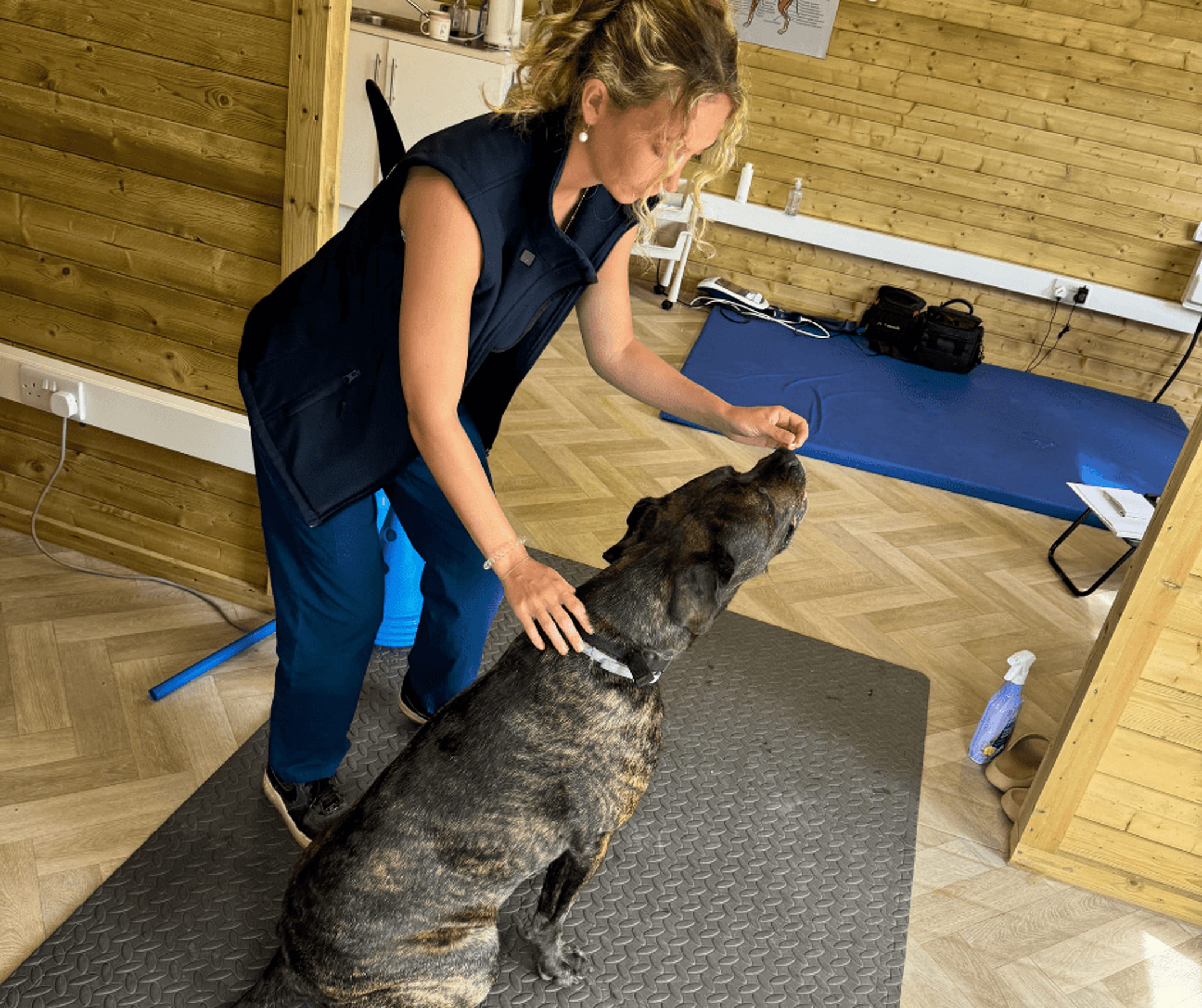
Canine TPLO & CCL Rehabilitation
Professional veterinary physiotherapy in Cornwall supporting dogs through cruciate ligament surgery and recovery — restoring strength, stability and confidence after TPLO or conservative CCL management.
What is a CCL Injury?
The cranial cruciate ligament (CCL) is one of the most important stabilising structures in the canine knee, or stifle joint. It connects the femur to the tibia and helps prevent excessive forward movement and rotation of the knee.
When the CCL tears — either partially or completely — the joint becomes unstable, painful and vulnerable to further damage. Without appropriate management, chronic instability can contribute to progressive arthritis and ongoing discomfort.
Unlike many human ACL injuries, canine CCL rupture is commonly associated with a degenerative process. The ligament can weaken gradually before eventually tearing.
The medial meniscus can also become damaged alongside a CCL injury, particularly when instability is left unmanaged.
Common CCL presentations
Partial CCL Tear
Some fibres remain intact. Your dog may show intermittent hind-limb lameness, particularly after exercise, and the injury can progress if not appropriately managed.
Complete CCL Rupture
The ligament has completely ruptured, resulting in significant instability of the stifle and often marked lameness.
Concurrent Meniscal Damage
The medial meniscus can be injured alongside the CCL and may require treatment during surgery depending on the individual case.
Conservative Management
Some dogs may be managed without surgery. Appropriate exercise restriction, strengthening and physiotherapy are important parts of a carefully managed conservative programme.
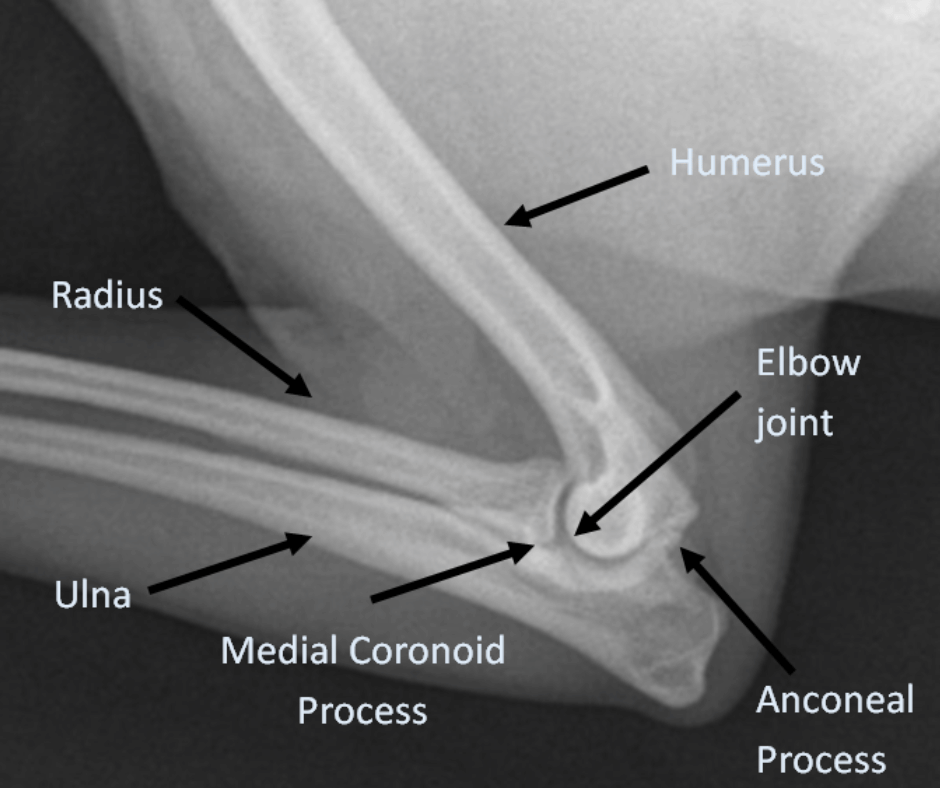
The canine stifle. The knee is a complex joint requiring stability, muscle support and coordinated movement. Your vet or surgeon will diagnose the CCL injury and advise on the appropriate treatment route. My role is to support your dog's rehabilitation once that plan has been established.
What is TPLO Surgery?
TPLO stands for Tibial Plateau Levelling Osteotomy. During the procedure, the surgeon cuts and rotates the top of the tibia to alter the angle of the tibial plateau.
This changes the biomechanics of the stifle so that the dog's own muscle forces help stabilise the knee during weight bearing, reducing the reliance on the damaged CCL.
The bone is secured using a plate and screws and generally requires around 8–12 weeks to heal. However, bone healing is only one part of recovery.
Muscle strength, proprioception, joint movement and normal gait all need to be rebuilt — which is where structured physiotherapy becomes an important part of recovery.
Signs of a CCL Injury
CCL injuries are one of the most common orthopaedic conditions in dogs. Signs may appear suddenly or develop gradually as the ligament weakens. Early assessment can help guide the most appropriate management.
Sudden Lameness
Acute non-weight-bearing or toe-touching lameness may appear after running, jumping or playing. It can sometimes improve with rest before returning with activity.
Intermittent Hind-Leg Lameness
Partial tears can produce lameness that comes and goes, often being worse following exercise and better after rest.
Sitting Abnormally
Some dogs sit with the affected hind leg positioned out to the side rather than tucked underneath them — often called a "lazy sit".
Muscle Loss
Reduced weight bearing can lead to noticeable wasting of the thigh muscles on the affected leg, sometimes developing within a few weeks.
Stiffness & Swelling
Swelling around the knee, stiffness when rising, reluctance to use stairs and difficulty getting comfortable can all indicate joint instability and inflammation.
Bilateral Concern
Dogs that rupture one CCL can be at risk of developing problems in the opposite hind limb. Changes in gait between the two legs should be assessed promptly.
How Physiotherapy Helps
Whether your dog has had TPLO surgery or is being managed conservatively, physiotherapy supports the muscles, joints, proprioception and movement patterns involved in recovery.
🤲 Manual Therapy & Soft Tissue Work
🔵 Proprioception & Balance Retraining
🏋️ Progressive Strengthening
🔴 Laser Therapy & Electrotherapy
📐 Gait Retraining
🏠 Home Exercise Programme
Why Physio After TPLO Matters
- Supports a safe return to weight bearing and normal activity
- Rebuilds muscle lost during injury and recovery
- Helps restore proprioception and movement control
- Encourages balanced strengthening of both hind limbs
- Supports long-term joint health and mobility
- Identifies and addresses compensatory movement patterns
- Helps manage pain and swelling alongside veterinary treatment
- Gives owners a clear and structured recovery plan
A Typical TPLO Recovery Journey
Week 1–2 — Post-Op Foundation
Initial assessment, pain management, passive range of motion, gentle muscle stimulation and short structured lead walks. The focus is on swelling reduction and early weight bearing.
Week 3–6 — Early Strengthening
Progressive weight-bearing exercises, balance and proprioception work, gait assessment, soft tissue therapy and gradual increases in controlled lead walking.
Week 6–12 — Active Rehabilitation
Following veterinary x-ray confirmation of bone healing, exercises can progress. Incline walking, cavaletti poles and more dynamic balance exercises can be introduced where appropriate.
Week 12–16 — Functional Recovery
Progression towards normal activity, sport or working roles, alongside gait reassessment, strength testing and a long-term home maintenance programme.
What the Research Shows
Structured physiotherapy following TPLO is an important part of rehabilitation, helping dogs rebuild strength, restore movement and return to function.
Faster Return to Function
Structured physiotherapy can help dogs return to weight bearing and normal activity more effectively than rest alone by introducing appropriate controlled mobilisation and exercise.
Muscle Recovery
Thigh muscle loss is a major consequence of CCL injury and surgery. Targeted rehabilitation helps restore muscle mass and limb symmetry.
Proprioception Restoration
Rehabilitation incorporating balance and proprioceptive exercises helps restore neuromuscular control and improve coordination.
Long-Term Joint Health
Dogs with CCL injury can develop osteoarthritis. Appropriate rehabilitation, exercise management and muscle conditioning support long-term mobility and quality of life.
Contralateral Limb Protection
Rehabilitation addresses compensatory loading and builds balanced hind-limb strength, helping support the opposite limb as your dog returns to normal activity.
Conservative Management
For suitable smaller dogs managed without surgery, physiotherapy can form an important part of a conservative programme alongside strict exercise management and veterinary guidance.
TPLO Recovery Case Study
Real dogs, real recoveries. Names used with permission.
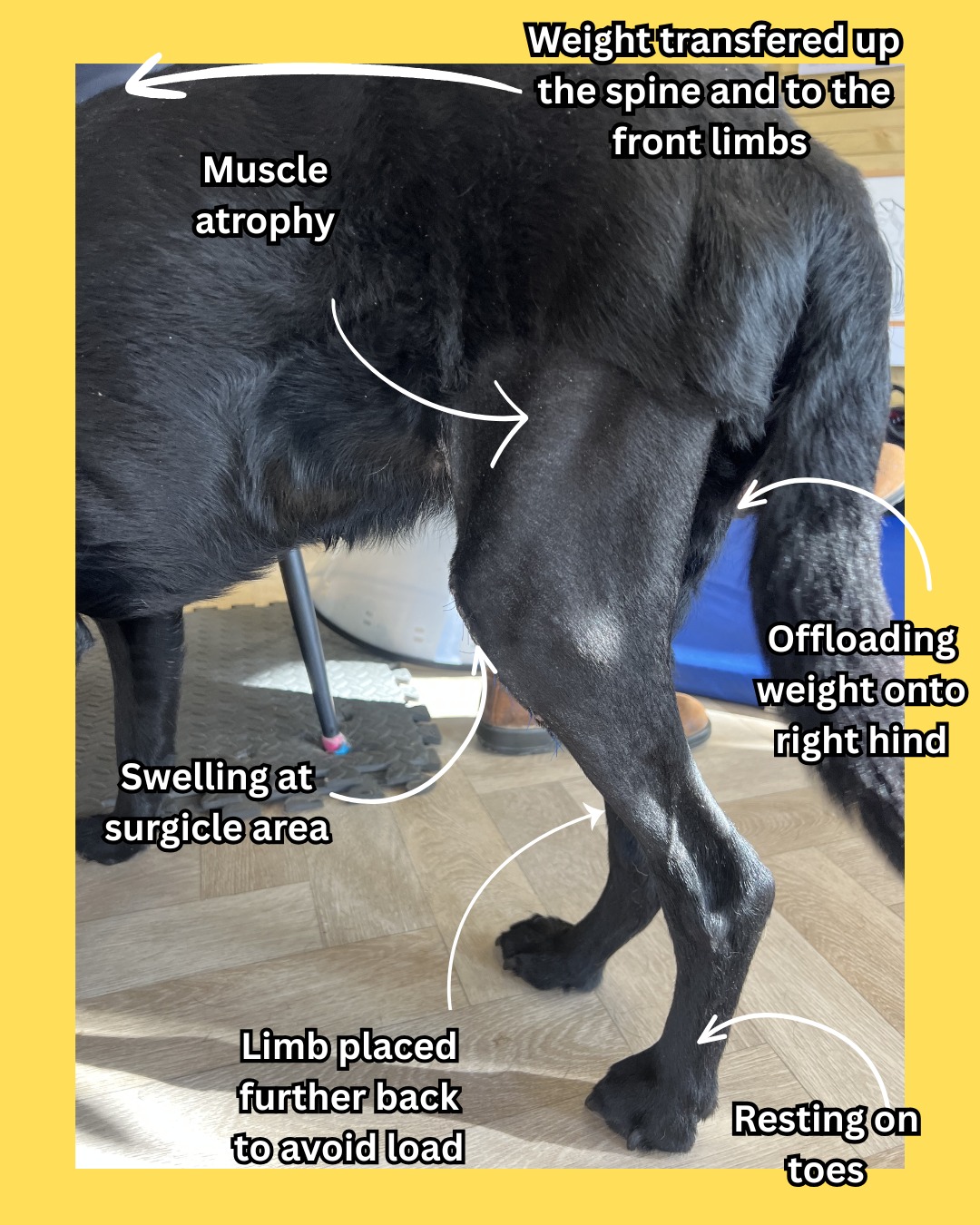
🐾 Belle — TPLO Surgery Recovery
rebuilding strength
back to normal
The Problem
Belle had TPLO surgery and her owners wanted to make sure they were doing the right things during recovery — building the muscles supporting the joint correctly rather than guessing.
The Treatment
Belle came to me for the post-operation rehabilitation package. Her structured programme focused on progressive strengthening, correct loading and making sure everything was heading in the right direction at each stage of recovery.
💡 Key win — Belle successfully completed her rehabilitation and is now back to being a completely normal dog.
Outcome
Belle successfully completed her rehabilitation and returned to normal activity.
The Rehabilitation Package
A structured programme designed to support safe recovery and long-term outcomes after TPLO, cruciate surgery or conservative CCL management.
TPLO, Cruciate Surgery, Hips & Elbows
Six sessions, individualised rehabilitation and support throughout recovery.
What's Included
- 1 × Initial Physiotherapy Consultation (£60 value)
- 5 × Follow-Up Treatment Sessions (£50 each)
- Individualised home exercise programme
- Ongoing gait assessment & strength progression
- Laser therapy or electrotherapy included in sessions
- Direct communication between sessions
Recommended Schedule
- Initial consult at 7–14 days post-op once vet cleared
- Fortnightly sessions until around 10–12 weeks post-op
- Frequency adjusted as healing and strength progress
- Flexible around your vet's post-operative checkpoints
Your Dog Has Had TPLO? Let's Get Recovery Right
Whether your dog is recovering from TPLO surgery or being managed conservatively, a structured rehabilitation programme can help guide them safely back towards normal movement and activity. Clinic appointments in Rosudgeon and Bodmin, plus home visits across Cornwall.
Helping animals move better, recover faster, and live their best life.
BUSINESS


SERVICES
SERVICE AREAS
OPERATING HOURS
Sun: Closed
Mon: 9:00am - 5:00pm
Tue: 9:00am - 5:00pm
Wed: 9:00am - 5:00pm
Thu: 9:00am - 5:00pm
Fri: 9:00am - 5:00pm
Sat: Closed
Privacy Policy | Term & Condition | FAQ
Copyright © 2026 Kirsten Vet Physio. All rights reserved.