
Canine Arthritis & Mobility Support
Physiotherapy for Canine Arthritis in Cornwall
Arthritis is one of the most common conditions I treat. With the right physiotherapy, dogs can live more comfortably, stay active longer, and need less medication — at any age.
What is Canine Arthritis?
Osteoarthritis (OA) — commonly called arthritis — is a progressive, degenerative joint disease affecting the cartilage and surrounding structures of one or more joints. It is estimated to affect 1 in 5 dogs in the UK, making it one of the most common conditions seen in veterinary practice. Despite how common it is, it is significantly underdiagnosed — many owners put the signs down to "slowing down with age."
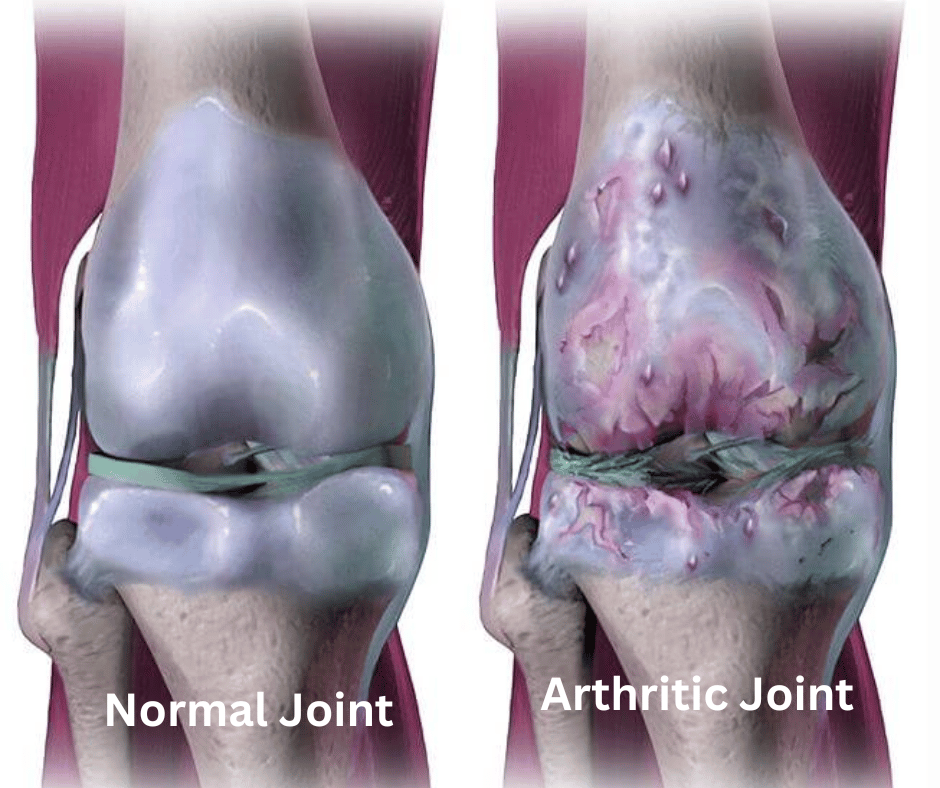
In a healthy joint, smooth cartilage cushions the ends of the bones, allowing fluid, pain-free movement. In arthritis, this cartilage gradually breaks down — leaving bone surfaces rough and inflamed. The joint responds by producing excess fluid, thickening the joint capsule, and eventually forming bony growths around the joint margins.
Arthritis is not curable, but it is very manageable. With the right combination of physiotherapy, exercise management, weight control, and where needed, medication — most dogs can remain comfortable and active for many years after diagnosis.
Arthritis can affect any joint, but the most commonly affected are the hips, elbows, stifles (knees), shoulders, and spine. It often develops secondary to another condition — such as hip dysplasia, elbow dysplasia, or a previous injury — but can also occur in isolation.
- 1️⃣Mild. Subtle stiffness, particularly after rest. Dog warms out of it quickly. Often missed at this stage. Ideal time to begin physiotherapy.
- 2️⃣Moderate. More consistent lameness, reluctance to exercise, behavioural changes. Muscle loss becoming visible. Physiotherapy and medication increasingly important.
- 3️⃣Severe. Significant pain and restricted movement. Dog may struggle to rise, manage stairs, or settle comfortably. Multimodal management essential for quality of life.
It's Not Just "Old Age"
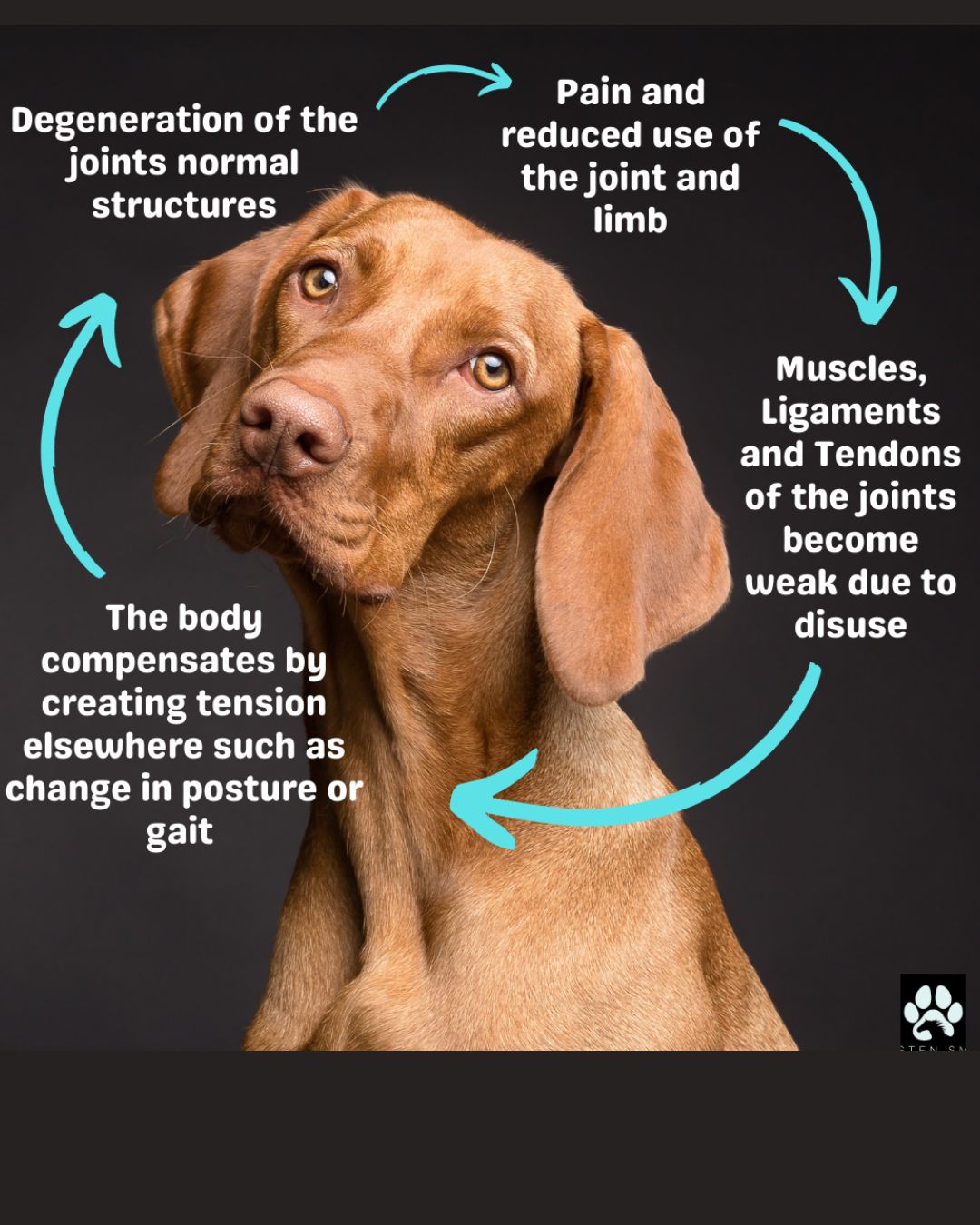
One of the most common things I hear is "we just assumed it was him getting older." Arthritis is not an inevitable part of ageing that dogs must simply endure. Pain is not normal. With the right support, dogs with arthritis can have excellent quality of life — and the earlier physiotherapy begins, the better the long-term outcome.
I regularly see dogs transform from reluctant, stiff, and withdrawn to bright, eager, and comfortable again — with a combination of hands-on treatment, exercise planning, and owner education.
Signs Your Dog May Have Arthritis
Dogs are stoic by nature — they rarely cry out in pain. The signs of arthritis are often subtle at first and easily attributed to age or temperament. If you notice any of the following, it's worth having your dog assessed.
Stiffness After Rest
Difficulty rising after sleep, hesitation before moving, or stiffness that improves after a few minutes of walking. This "warming out of stiffness" is one of the hallmark signs of joint inflammation.
Changes in Gait
Subtle lameness, a shortened stride, a head bob when walking, or an altered posture. Many owners notice their dog "doesn't move quite right" before they can pinpoint exactly what's different.
Reduced Willingness to Exercise
Slowing on walks, wanting to turn home early, reluctance to run, jump, or play — especially in a dog who was previously energetic. Often dismissed as the dog "just getting older."
Difficulty with Stairs or Getting In the Car
Hesitating at the bottom of stairs, needing help getting into the car, or avoiding furniture they previously jumped onto freely. These functional changes indicate meaningful joint discomfort.
Muscle Loss
Visible wasting in the hindquarters, thighs, or shoulders — especially on one side. Muscle loss happens quickly when a dog reduces weight-bearing to protect a painful joint.
Behavioural Changes
Becoming grumpy, withdrawn, less interested in greeting people, reluctant to be touched around certain areas, or disturbed sleep. Chronic pain profoundly affects behaviour and personality.
Changes in Grooming
Difficulty reaching certain areas to groom, or excessive licking at a specific joint. Dogs often self-soothe painful areas — persistent licking at a leg or paw can indicate underlying joint discomfort.
Abnormal Sitting or Lying
The "lazy sit" with one leg stuck out, difficulty finding a comfortable position, frequently changing positions, or reluctance to lie on one side — all signs of joint pain affecting posture and comfort.
How Physiotherapy Helps
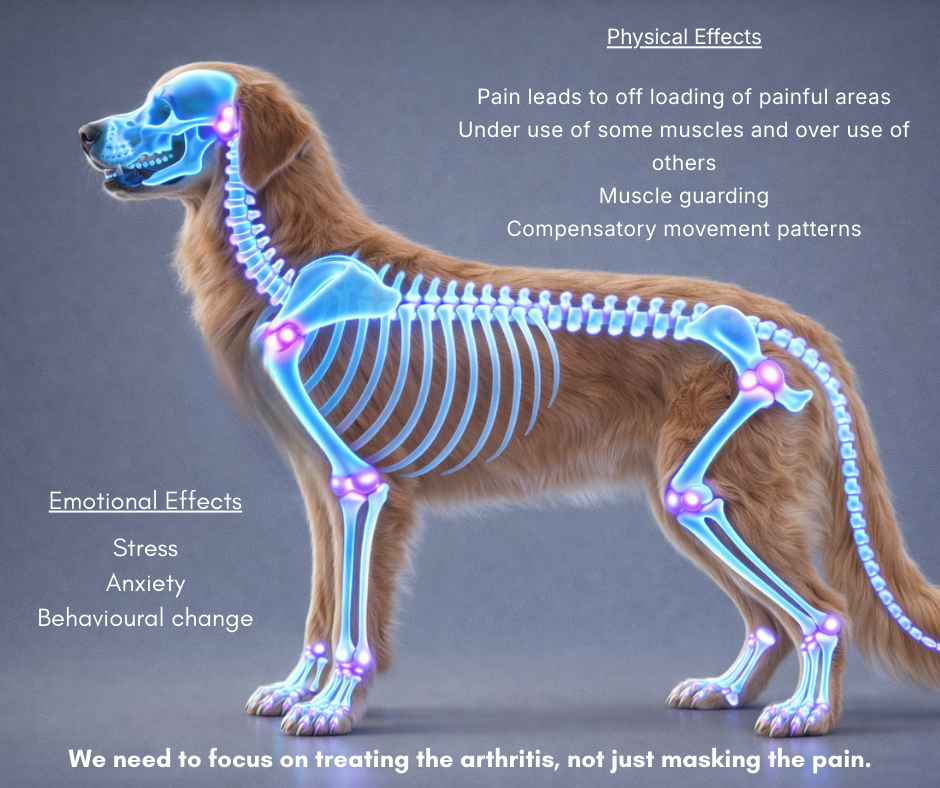
Arthritis cannot be reversed — but physiotherapy can significantly slow its progression, reduce pain, maintain muscle mass, and keep your dog active and comfortable for longer. I take a holistic approach, looking at the whole dog rather than just the affected joint — because arthritis always has a knock-on effect on the rest of the body.
What I Do in Sessions
Laser Therapy (Photobiomodulation)
Reduces inflammation within the joint, stimulates cartilage cell repair, and provides meaningful pain relief — often visibly improving comfort within the first few sessions. Included as a routine part of arthritis management.
Manual Therapy & Massage
Reduces muscle tension and tightness that builds around arthritic joints as dogs compensate in their movement. Joint mobilisation maintains range of motion and keeps joints as fluid and comfortable as possible.
Targeted Strengthening
Strong muscles around an arthritic joint dramatically reduce load on damaged cartilage. A progressive strengthening programme is tailored to the dog's age, fitness, and the joints affected — one of the single most effective tools for managing arthritis.
Electrotherapy (TENS & NMES)
TENS provides effective pain relief by modulating pain signals at the spinal level — particularly useful during flare-ups. NMES gently stimulates muscles that are no longer being used effectively due to pain-related movement avoidance.
Proprioception & Balance Work
Arthritis reduces joint proprioception, affecting coordination and increasing fall risk in older dogs. Balance exercises restore this sense, improving stability and confidence in movement.
Exercise & Lifestyle Planning
Too much exercise causes flare-ups; too little causes muscle loss and stiffness. I provide clear, practical guidance on walk length, frequency, terrain, and home modifications — giving owners the knowledge to manage arthritis confidently day-to-day.
Home Exercise Programme
Between sessions, a tailored home programme keeps the dog moving in the right way — from simple range of motion work to gentle strengthening — with clear guidance on how to perform them safely.
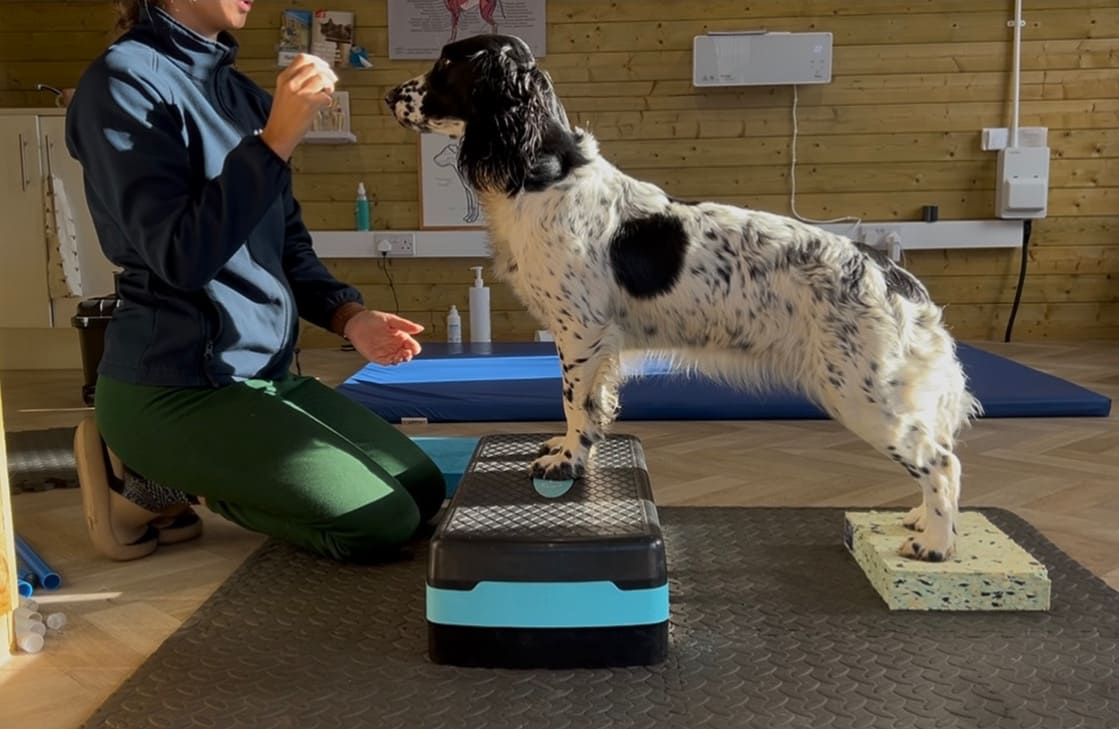
What Physio Can Do For Your Dog
Reduce pain and inflammation in affected joints
Slow the progression of joint degeneration
Rebuild muscle mass lost through disuse and pain
Maintain and improve range of motion in stiff joints
Restore balance and coordination in older dogs
Reduce reliance on pain medication over time
Identify and address secondary compensatory problems
Keep your dog active, engaged, and enjoying life longer
Empower you with the knowledge to manage things at home
Long-Term Management Tips
Alongside physiotherapy, these lifestyle factors make a significant difference:
What the Research Shows
The evidence for physiotherapy in canine arthritis management is well established and growing. Structured rehabilitation consistently outperforms rest and medication alone across multiple outcome measures.
Laser Therapy Reduces Joint Inflammation
Multiple peer-reviewed studies confirm that photobiomodulation reduces synovial inflammation, stimulates cartilage cell metabolism, and provides clinically significant pain relief in dogs with osteoarthritis — often within just a few sessions.
Exercise Slows Arthritis Progression
Controlled, structured exercise has been shown to slow cartilage degeneration, maintain joint health, and improve pain scores in arthritic dogs. The key is regularity and appropriate intensity — not rest. Dogs who remain active within their limits consistently fare better long-term.
Muscle Mass Protects Joints
Research clearly demonstrates that strong periarticular muscles reduce peak loading on arthritic joint surfaces. Targeted strengthening programmes improve function, reduce pain, and slow the mechanical progression of joint disease.
Weight Management Has Profound Impact
Studies show that even modest weight loss in overweight arthritic dogs produces significant improvements in lameness scores and quality of life — comparable to or exceeding medication alone. Physiotherapy and weight management together deliver better outcomes than either in isolation.
Manual Therapy Improves Mobility
Joint mobilisation and massage have been shown to improve range of motion, reduce muscle guarding, and decrease pain in dogs with chronic joint disease. Regular hands-on treatment is one of the most accessible and effective tools in long-term arthritis management.
Physio Reduces Medication Reliance
Dogs receiving structured physiotherapy alongside medication consistently demonstrate better outcomes than medication alone — and in many cases, effective physiotherapy allows medication doses to be reduced over time, lowering the risk of long-term side effects from NSAIDs.
Ready to Help Your Dog Feel Better?
Whether your dog has just been diagnosed or has been living with arthritis for years, it's never too late to start. Get in touch and I'll talk you through what's possible.
Helping animals move better, recover faster, and live their best life.
BUSINESS


SERVICES
SERVICE AREAS
OPERATING HOURS
Sun: Closed
Mon: 9:00am - 5:00pm
Tue: 9:00am - 5:00pm
Wed: 9:00am - 5:00pm
Thu: 9:00am - 5:00pm
Fri: 9:00am - 5:00pm
Sat: Closed
Privacy Policy | Term & Condition | FAQ
Copyright © 2026 Kirsten Vet Physio. All rights reserved.